
Forget the Guidebooks: What It’s Actually Like to Slow-Travel Through Poland
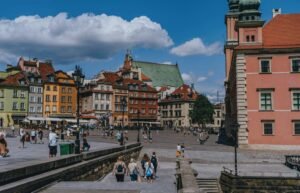
Before my flight touched down in Poland, I had a pretty standard mental picture of what was waiting for me: intense history, gorgeous medieval town squares, and an endless cycle of heavy dumplings. But after a few weeks of throwing my backpack onto trains and crisscrossing this Central European powerhouse, I quickly realized the mainstream brochures are only giving you half the story.
What the typical travel guides completely gloss over is the sheer, electric energy running through the streets right now. There is a world-class specialty coffee culture here that gives spots like Berlin or Melbourne a serious run for their money. More than anything, the sheer hospitality of the people blew me away—locals will genuinely go out of their way to make sure you’re fed, comfortable, and finding your way around.
If you’re mapping out a trip and want to experience the country like someone who actually lives there rather than a tourist ticking off boxes, this is my personal notebook. From the design-forward cafes I spent my afternoons working out of to the off-the-grid landscapes that left me staring in disbelief, here is how to get to the heart of Poland.
The Cities That Completely Reset My Expectations
Kraków: Ditching the Main Square for Something Real
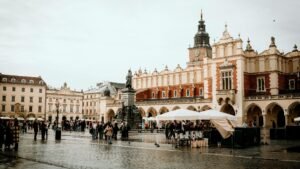
Look, I won’t deny that Kraków’s Rynek Główny (the main medieval square) is stunning. It deserves the hype. But if you want to find where the city’s actual soul lives, you need to cross over into Kazimierz, the historic Jewish Quarter.
By day, the neighborhood feels like a laid-back, creative canvas filled with indie boutiques, vibrant street art murals, and quiet, historic synagogues. But once the sun goes down, it flips a switch and becomes one of the absolute best nightlife hubs on the continent.
My biggest takeaway: Ignore the overpriced tourist traps bordering the Old Town. Instead, walk over to the exact center of Kazimierz at Plac Nowy. Look for the circular brick building in the middle, hop in line at one of the little walk-up windows, and order a Zapiekanka. It’s essentially a massive, open-faced toasted baguette loaded with mushrooms, melted cheese, and a heavy drizzle of garlic sauce. It’s the ultimate local late-night fuel and only costs a few zlotys.
Warsaw: Why the Haters Are Dead Wrong
Before I left, a handful of travelers told me to skip Warsaw entirely and just spend extra time down south. They couldn’t have been more wrong. Warsaw is electric. It has this gritty, resilient, incredibly modern identity that doesn’t care about trying to look like a postcard.
The rebuilt Old Town is beautiful to look at, sure, but I spent most of my time wandering around Praga. It’s a raw, artistic neighborhood sitting on the right bank of the river that managed to escape a lot of the destruction during World War II.
My biggest takeaway: Make sure you set aside an afternoon for the Neon Museum hidden away in Praga. They have salvaged and restored the massive, artistic neon signs that lit up Eastern Europe during the Cold War. It’s a visually trippy, brilliant slice of history that you won’t find anywhere else.
Wrocław: The Fairytale That Left Me Speechless
I didn’t expect much from Wrocław (which is fun to try and pronounce—it sounds like Vrot-swav), but it turned out to be the biggest surprise of my entire journey. Walking through it feels exactly like stepping into a living, pastel-colored painting.
Because the city is built across a massive labyrinth of winding rivers and tiny islands connected by bridges, it is incredibly walkable and romantic.
My biggest takeaway: Head over to Ostrów Tumski (Cathedral Island) right as twilight hits. It is one of the last remaining corners of Europe where a traditional, caped lamplighter still walks the cobblestone paths by hand, lighting the gas street lamps one by one. Watching it happen in the quiet evening air feels completely magical.
The Coffee Diaries: The Cafes I Practically Lived In
Poland is hiding one of the most underrated, elite specialty coffee scenes on the planet right now. As someone who takes their morning brew way too seriously, these were the spaces that became my makeshift offices and sanctuaries:
-
Wesoła Cafe (Kraków): Located just a quick walk from the main train terminal, this place instantly won me over with their giant wall motto: “It’s better to drink coffee than not.” The crew behind the bar are absolute scientists with a V60 pour-over. Plus, their brunch menu—especially the thick brioche with perfectly poached eggs—is the best way to fuel up before a massive walking day.
-
Forum Coffee (Warsaw): Hidden right in the middle of the city center, Forum is a minimalist, award-winning coffee haven. If you want to sample rare, single-origin beans sourced from top-tier roasters across the globe, you have to come here. The vibe is quiet, stripped-down, and deeply focused on the actual craft of brewing.
-
Gniazdo (Wrocław): Sitting right near the city’s historic opera house, Gniazdo is a dream come true for digital nomads or anyone looking to get lost in a book. It features massive windows, high ceilings, and a beautiful modern interior. Their flat whites are utterly flawless, and they make a shockingly good matcha latte if you need a break from espresso.
The Ultimate Travel Cheat Sheet
If you’re trying to cut down the learning curve when you arrive, keep these three quick recommendations in your back pocket:
-
Getting Around: Stick to the PKP Intercity Trains. They are fast, impeccably clean, highly affordable, and give you a front-row seat to the beautiful Polish countryside rolling past your window.
-
Eating on a Budget: Look for a Bar Mleczny (which translates to a Milk Bar). These are no-frills, government-subsidized cafeterias serving up authentic, home-cooked Polish food for pennies. If you are in Kraków, look up Bar Mleczny Tomasza for an incredible, cheap breakfast.
-
The Must-See Excursion: Don’t skip the Wieliczka Salt Mine. It sounds like a standard tourist trap, but walking through a massive, jaw-dropping underground cathedral carved entirely out of dark salt crystals is something you have to see with your own eyes.
My Absolute Favorite Hidden Gem: The Stołowe Mountains
If you want to dodge the massive crowds that choke up the hiking trails in the high Tatra mountains, do yourself a favor: head southwest toward the Stołowe Mountains (often called the Table Mountains).
The landscape out there is completely bizarre and otherworldly, defined by massive, flat-topped rock formations and deep, moss-covered stone labyrinths. Wandering through the Błędne Skały (the Errant Rocks) feels like you slipped past a wardrobe straight into a fantasy movie set. Fun fact: they actually filmed parts of The Chronicles of Narnia right in these woods. It’s quiet, incredibly peaceful, and a paradise if you just want to lace up your boots and disappear into nature for a day.
The Real Takeaway
At the end of the day, what makes Poland such an incredible destination isn’t just the fact that your money goes incredibly far, or that the old towns look like historic movies. It’s the sheer soul of the place. This is a country that has been pushed to the brink by history over and over again, yet it has rebuilt itself into one of the most vibrant, forward-thinking, and deeply welcoming corners of Europe.
Throw a reliable pair of sneakers in your bag, bring a serious appetite, and get ready to fall for this place hard.
A Few Things You’re Probably Wondering About
Is it safe if you’re traveling solo?
100%. I spent weeks walking through major hubs like Warsaw, Kraków, and Wrocław completely on my own—even late at night—and never felt uneasy for a second. The public transit networks are bright, clean, and easy to navigate, the neighborhoods are highly walkable, and the general vibe is very welcoming. Just use the same basic urban common sense you’d use in any city back home.
What should I order if I’ve never tried Polish food?
Start simple with Pierogi Ruskie—these are classic boiled dumplings packed with a mix of potato and curd cheese, completely smothered in sweet, caramelized onions. If you want to try something uniquely traditional, order a bowl of Żurek. It’s a rich, comforting, slightly sour rye soup loaded with white sausage and boiled eggs, and places will often serve it directly inside a hollowed-out loaf of sourdough bread. It’s the ultimate comfort meal after a long day in the cold.
Do I need to carry a ton of local cash?
Honestly, almost none. Poland is wildly advanced when it comes to digital payments. You can use your phone, a contactless card, or your watch to pay for virtually everything—even a single tram ticket or a quick espresso at a tiny neighborhood bakery. I’d recommend keeping just a tiny handful of zlotys on you for tipping walking tour guides or buying fresh berries from the local open-air markets, but otherwise, you can leave the physical wallet in your bag.