Rethinking the First-Time Paris Trip: A 3-Day Guide to Doing It Right
Paris is one of those rare cities that people build up in their heads long before they actually book a flight. You see it plastered across cinema screens, novels, fashion campaigns, and travel feeds so often that stepping off the plane can feel like a strange case of déjà vu.
But the real, breathing Paris doesn’t look like a curated internet filter. It’s significantly louder, faster, and more chaotic—and honestly, it is infinitely more beautiful because of it.
The secret to falling in love with the city isn’t checking off a massive list of monuments. The magic happens when you slow down: sitting outside a sidewalk café as the neighborhood wakes up, getting lost down an alleyway with no destination, or catching the Eiffel Tower bursting into sparkles completely by surprise on a night walk.
This three-day itinerary balances the absolute must-sees with the space to actually breathe, eat well, and explore like a local. Because the truth is, Paris is always best enjoyed slowly.
Day 1 — Classic Icons and Cinematic Nights
The first day is dedicated to the classic imagery you’ve envisioned, but paced in a way that doesn’t leave you exhausted.
Morning: A Proper Parisian Wake-Up
Skip the hotel buffet. Walk out to the nearest street corner café, pull up a wicker chair facing the sidewalk, and order the holy trinity: a flaky croissant, a rich coffee, and a glass of fresh orange juice. Spend an hour just watching the city rush to work. In Paris, even the most mundane mornings feel like a movie scene.
Expected Cost: A classic café breakfast typically runs between €8 and €15.
Midday: Meeting the Eiffel Tower
No matter how many times you’ve seen it on a screen, the Eiffel Tower hits differently in person—especially when it suddenly pops into view between two ordinary stone apartment buildings. You don’t necessarily need to pay to ride to the top; just wandering the surrounding area is an experience in itself.
-
Where to Wander: Stroll through the lawns of the Champ de Mars, walk along the banks of the Seine, or head up to the Trocadéro viewpoint for the best photos. Grab a fresh street crêpe from a nearby kiosk to eat on the go.
-
Ticket Logistics: If you do want to ascend, taking the stairs costs around €14–€18, while the elevator to the very top runs €30–€40.
Afternoon: The Art of Unplanned Walking
Put the metro map away for the afternoon. Paris is a masterclass in urban wandering. Follow the curve of the Seine River, cross the ornate Pont Alexandre III, and duck into whichever side streets catch your eye. The absolute best discoveries here are the ones you didn’t plan for.
-
Lunch Tip: Duck into a neighborhood bistro away from the main drag for authentic French onion soup, steak frites, or a quick café sandwich. Expect to spend about €15–€30 for a solid lunch.
Evening: The Nighttime Sparkle
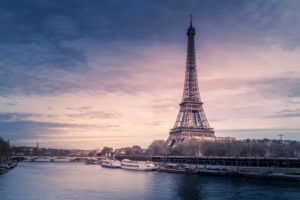
As darkness falls, the city’s energy completely softens. Standing by the river to watch the Eiffel Tower burst into its hourly light show after sunset is one of the few massive tourist traditions that fully lives up to the hype. The crowds stop, everyone looks up, and the atmosphere becomes instantly surreal. Afterward, take a quiet walk along the illuminated banks of the Seine instead of rushing straight back to your room.
Day 2 — Art Sanctuaries, Café Culture, and Historic Hills
Day two shifts the focus toward the artistic heritage and deeply atmospheric neighborhoods that define Parisian culture.
Morning: Navigating the Louvre
Even if you aren’t an art historian, the sheer scale of the Louvre is staggering. The building itself feels like an endless historic fortress.
-
The Highlights: Make a loose plan to see iconic works like the Mona Lisa and the Venus de Milo, but leave time to get lost in the massive Egyptian collections or the Renaissance painting wings.
-
Insider Tip: Tickets cost between €22 and €25. Do yourself a massive favor and book the earliest morning time slot available to get ahead of the heavy mid-day crowds.
Midday: The Saint-Germain Slowdown
After hours on your feet at the museum, it’s time to unpack a major travel mistake: trying to do too much. Head over to the historic Saint-Germain-des-Prés neighborhood, find a café, and stay a while. Order a glass of wine, some pastries, or light French bites. Parisian cafés aren’t fast-food stops; they are designated spaces built for slowing down and people-watching.
Afternoon: The Dreamy Slopes of Montmartre
Montmartre feels entirely disconnected from the grand boulevards of central Paris. The geography becomes hillier, the alleys quieter, and the entire aesthetic leans heavily into the romantic, bohemian history of the city.
-
What to See: Climb up toward the stunning Sacré-Cœur Basilica, wander through the bustling artist squares, track down hidden staircases, and peek into independent bakeries. Catching the sunset from these hills is unforgettable.
Evening: An Unrushed Dinner
Treat dinner as an activity, not a chore. Find a cozy bistro where tables are packed close together, conversations drift through the air, and the service lets you sit for hours.
-
What to Try: Dive into classic comfort foods like duck confit, escargot, or a perfectly torched crème brûlée, all paired with fresh baguettes and local wine.
-
Expected Cost: A sit-down dinner generally averages €30–€70 per person.
Day 3 — Secret Courtyards, Pastry Hunts, and Green Spaces
Your final day is all about stepping away from the heavy tourist tracks to see how the city actually lives.
Morning: The Historic Cool of Le Marais
Le Marais is easily one of the most vibrant, walkable, and historic neighborhoods in the city. Free from the overwhelming crowds of the monumental zones, its medieval streets are packed with independent boutiques, hidden courtyards, and incredible architecture. Spend your morning café-hopping, vintage shopping, and taking photos along the quiet residential lanes.
Midday: The Great Pastry Pilgrimage
French baking absolutely lives up to the reputation. Even an unnamed corner bakery (boulangerie) in a non-tourist neighborhood will often serve world-class goods. Take a self-guided tour of the local counters and try a mix of everything: classic croissants, glossy éclairs, pain au chocolat, colorful macarons, and fresh crêpes.
Expected Cost: High-quality bakery treats are incredibly budget-friendly, usually running between €2 and €8.
Afternoon: Lounging in the Luxembourg Gardens
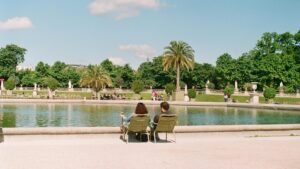
After days of pounding the pavement, follow the locals to the Luxembourg Gardens. Grab one of the iconic green metal chairs scattered around the central fountains and just unwind. You’ll see residents reading books, children sailing model boats, and people chatting quietly under the trees. It is the ultimate spot to absorb the city without feeling like a tourist.
-
Have Extra Time? Depending on your specific travel style, you can easily slot in a scenic Seine River cruise, a climb up the Arc de Triomphe, a walk around the historic Notre-Dame district, or a hunt through hidden old bookstores.
The Reality Check: What a 3-Day Trip Actually Costs
Paris can easily break the bank, but your final bill depends entirely on how you choose to travel. Here is a realistic look at typical price points:
Travel Styles at a Glance
-
Budget Style (€250–€450 total): Staying in hostels/budget rentals, utilizing grocery stores for some meals, and focusing heavily on free walking tours and public parks.
-
Mid-Range Style (€600–€1,200 total): Cozy boutique hotels, splitting meals between casual bistros and nice dinners, and paying for major museum entry.
-
Luxury Style (€1,500+ total): High-end accommodations, fine dining, private tours, and taxi transit.
The Daily Expense Cheat Sheet
| Item | Average Price |
| Single Espresso / Coffee | €3–€6 |
| Quick Bakery Breakfast | €5–€12 |
| Single Metro Ride Ticket | €2.50 |
| Casual Bistro Lunch | €15–€30 |
| Multi-Course Sit-Down Dinner | €30–€70 |
| Standard Museum Entrance Fee | €20–€40 |
Critical Mistakes to Avoid as a First-Timer
-
Treating the City Like a Checklist: You cannot see all of Paris in three days—it’s physically impossible. If you spend the whole trip running between lines, you’ll miss the actual atmosphere that makes the city special.
-
Over-Scheduling the Clock: Leave gaps in your itinerary. Give yourself permission to sit in a park for an extra hour or wander down an interesting alleyway. The unexpected moments are always the best ones.
-
Eating Right Next to Landmarks: Restaurants directly adjacent to places like the Louvre or the Eiffel Tower are almost always overpriced tourist traps. Walk just three or four blocks away into the residential side streets, and the quality of the food doubles while the price drops significantly.
When to Pack Your Bags
-
Spring (April–June): Widely considered the golden window. The weather is crisp, the flowers are blooming, and the city feels completely alive.
-
Fall (September–October): An incredible alternative. The autumn light against the stone buildings is gorgeous, the summer crowds have cleared out, and temperatures are perfect for walking.
-
Winter: It gets genuinely cold, but the trade-off is incredibly romantic holiday lighting, festive markets, and far shorter lines at the major museums.
Your Quick Paris Questions, Answered
Is three days honestly enough time?
Yes! While you won’t see every single corner, three days is the perfect amount of time to take in the main highlights, eat incredible food, and get a genuine feel for the city’s rhythm without feeling like you’re running a marathon.
Where should a first-timer stay?
Look for accommodations in Saint-Germain, Le Marais, or anywhere centrally located within the core arrondissements. These neighborhoods are highly walkable, incredibly safe, and packed with charm.
What is the absolute best way to get around?
Your own two feet and the Paris Metro. The city is incredibly dense and highly walkable, meaning you’ll miss half the beauty if you’re sitting in the back of a car. For longer distances, the metro is fast, cheap, and simple to figure out.